Feeding a child is more than giving food. It is giving hope, health, and a future. When we feed the children, we help them grow strong and stay focused in school. We also help families feel supported and safe. In many places, kids go to bed hungry or skip meals. That affects their learning, mood, and health. By acting together, we can change that. This guide explains how to feed the children in smart and caring ways. It also shares real examples and simple steps anyone can use. Whether you are a parent, teacher, or community member, you can make a difference.
Why It Matters to Feed the Children
When we feed the children, we are helping their bodies and minds. Kids need energy to learn, play, and grow. Without food, they feel weak and tired. Hunger can also cause stress and anxiety. A child who eats well is more confident and active. Good nutrition helps their brain develop. It also reduces the risk of illness. Studies show that well-fed children do better in school. They also behave better and have fewer health problems. Feeding children is not just about food. It is about building a strong future for the next generation.
Understanding Child Hunger and Its Causes
Child hunger happens for many reasons. Sometimes families cannot afford enough food. Other times, parents work but still struggle. In some places, food is not easy to find. Natural disasters like floods or droughts also cause hunger. When we know the cause, we can fix it better. Some kids also miss meals because they lack school support. A child may have food at home, but not enough nutrition. This is why we must plan and support programs that provide healthy meals. To feed the children well, we need long-term solutions, not quick fixes.
The Role of School Meals in Feeding Kids
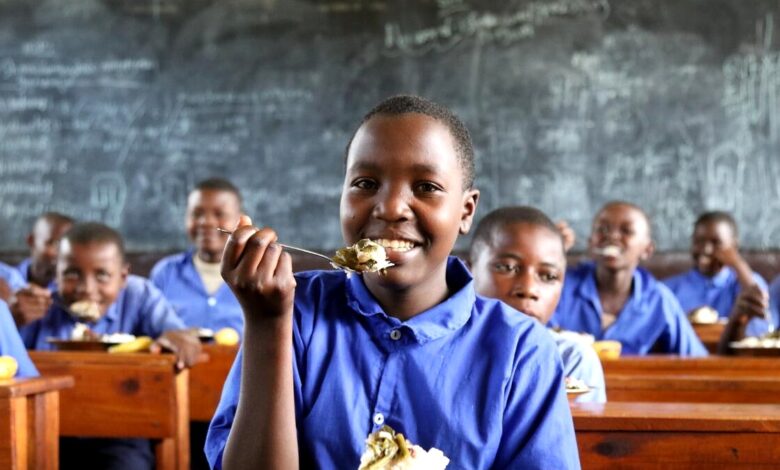
School meals are one of the strongest ways to feed the children. Many kids eat their biggest meal at school. A school meal program gives daily nutrition and supports learning. It also encourages attendance and reduces dropout rates. Teachers notice that hungry students struggle to focus. When kids get a meal at school, they can concentrate better. This makes a big difference in their grades and behavior. Many communities have breakfast and lunch programs. These programs are easy to support with volunteers and donations. School meals are a simple step that brings big results.
Simple Ways Families Can Feed Their Children
Families can use simple habits to feed kids well. Start with planning meals for the week. This saves money and reduces waste. Use affordable foods like rice, beans, eggs, and vegetables. These foods are rich in nutrients. Make meals fun and colorful to encourage kids to eat. Also, include fruits and milk when possible. Teach kids to drink water instead of sugary drinks. Parents can also cook in batches and store food for busy days. Small changes like these can help families feed the children every day.
Healthy Food Ideas That Kids Love
Feeding children does not have to be hard. Healthy meals can be tasty too. For breakfast, try oatmeal with fruit or eggs with toast. For lunch, make sandwiches with veggies and cheese. Dinner can include rice, beans, and vegetables. You can also make soup or stew. Snacks can be fruit, nuts, or yogurt. Kids often like crunchy foods, so try carrot sticks or apple slices. These foods help them stay full longer. By choosing simple and healthy options, we can feed the children with love and care.
Community Support to Feed the Children
Communities can work together to end child hunger. Local groups can set up food banks and meal programs. Churches, schools, and clubs can also help. Volunteers can cook, pack, and deliver meals. Communities can also host fundraisers and donation drives. This helps families who are struggling. When neighbors support each other, it creates strong bonds. A small effort can make a big difference. By working together, we can feed the children and build a stronger community.
How Organizations Help Feed Children Worldwide
Many organizations work hard to feed the children across the world. They provide food, clean water, and education. They also support farming and community gardens. Some programs focus on emergency relief after disasters. Others support long-term health and nutrition. These organizations also teach families about healthy eating. Their work reaches millions of children every year. By donating or volunteering, anyone can support these programs. When we support trusted groups, we help children stay safe and healthy.
Tips for Donating to Child Feeding Programs
If you want to help, donations are a great start. Before donating, research the organization. Make sure they are transparent and trusted. Look for reviews and success stories. You can also donate food or volunteer your time. Many programs accept school supplies, clothes, and hygiene kits. Even small donations can make a big impact. You can also start a local drive in your neighborhood. When we donate wisely, we can help feed the children for the long term.
How to Teach Kids About Helping Others
Kids can learn to help their peers. Teaching them kindness is very important. You can start by explaining hunger and its effects. Encourage kids to share food at school or home. You can also involve them in volunteering. Simple acts like packing meals or raising awareness help a lot. This builds empathy and responsibility. When children learn to care for others, they grow into strong leaders. Teaching kindness helps the entire community.
Real Example: How a Small School Program Changed Lives
In one town, a school started a small meal program. They used donated food and volunteer cooks. At first, only a few students joined. But soon, more kids came for lunch. Teachers noticed better attendance and improved grades. Parents also felt supported and grateful. The school program helped many families save money. Kids became happier and more energetic. This shows how a small effort can grow into something powerful. When we work together, we can truly feed the children and change lives.
Long-Term Solutions to End Child Hunger
Ending child hunger needs long-term planning. We must support education, job training, and health programs. We must also improve access to clean water and farming resources. Strong policies and community programs can prevent hunger before it starts. Families need stable jobs and fair wages. Schools need strong meal programs. Communities must support each other. When we focus on long-term solutions, we build a safer future for all children. Feeding children today helps build a healthier tomorrow
Conclusion
Feeding children is a shared responsibility. Each of us can do something small and meaningful. Whether it is donating, volunteering, or teaching others, every action counts. When we feed the children, we build a stronger future. Kids who eat well can learn better, grow stronger, and dream bigger. So let’s act today. Share this guide, support a local program, or start your own meal drive. Together, we can make sure no child goes hungry.
FAQs
1. How can families feed the children on a tight budget?
Families can plan meals weekly, buy bulk items, and choose affordable foods like beans, rice, and eggs. Cooking at home and reducing snacks also helps. A simple meal plan can make a big difference.
2. Why are school meals important for children?
School meals provide daily nutrition and improve focus. They also increase attendance and reduce dropouts. Many children depend on school meals as their main source of food.
3. How can I support a local feeding program?
You can donate food, volunteer your time, or help raise awareness. Even small actions like packing meals can support a program. Start a local drive or partner with a community center.
4. What foods are best for growing kids?
Kids need balanced meals with protein, carbs, and vitamins. Good options include eggs, beans, fruits, vegetables, and milk. Simple and healthy meals help children grow strong.
5. How do organizations help feed children globally?
Organizations provide food, clean water, education, and emergency aid. They also support farming and community gardens. These programs reach millions of children worldwide.
6. How can kids help other kids?
Kids can learn to share and support their peers. They can join school drives, pack meals, or help spread awareness. Teaching kindness builds strong future leaders.